Podcasts are now watched as much as heard. YouTube has more than 1 billion monthly podcast viewers, and 89% of podcast listeners watch podcast clips on social platforms at least sometimes.
Growing a show with clips is seven steps: record for clipping, pick moments that stand alone, cut for each platform, point back to the full episode, keep every clip original, clear the rights, and measure what converts.
Clips are a front door, not a highlight reel. Roughly a third of clip viewers reliably go on to watch the episode or follow the show, so every clip should make the full episode easy to find.
Why clips grow podcasts now
Podcasts have become video. YouTube reported more than 1 billion monthly active viewers of podcast content and calls itself the most frequently used service for podcast listening in the US. In the Cumulus Media and Signal Hill spring 2026 survey, 44% of weekly podcast consumers named YouTube as the platform they use most, and the share who prefer to watch video while listening rose to 49% in April 2026, up from 30% in 2022. Edison Research found 58% of Americans aged 12 and over had consumed a podcast in the last month, an all-time high.
Short clips are how new listeners find a show. Signal Hill research found 89% of podcast listeners watch podcast clips on social platforms at least sometimes, that 74% give them full or near-full attention, and that for younger audiences vertical video has become the main way a new show gets found. Spotify says more than 500 million users have streamed a video podcast.
Some shows now grow clip first. SubwayTakes launched in 2023 as short social clips and reached over 700,000 Instagram followers before it launched a longer podcast, then earned a Primetime Emmy nomination.
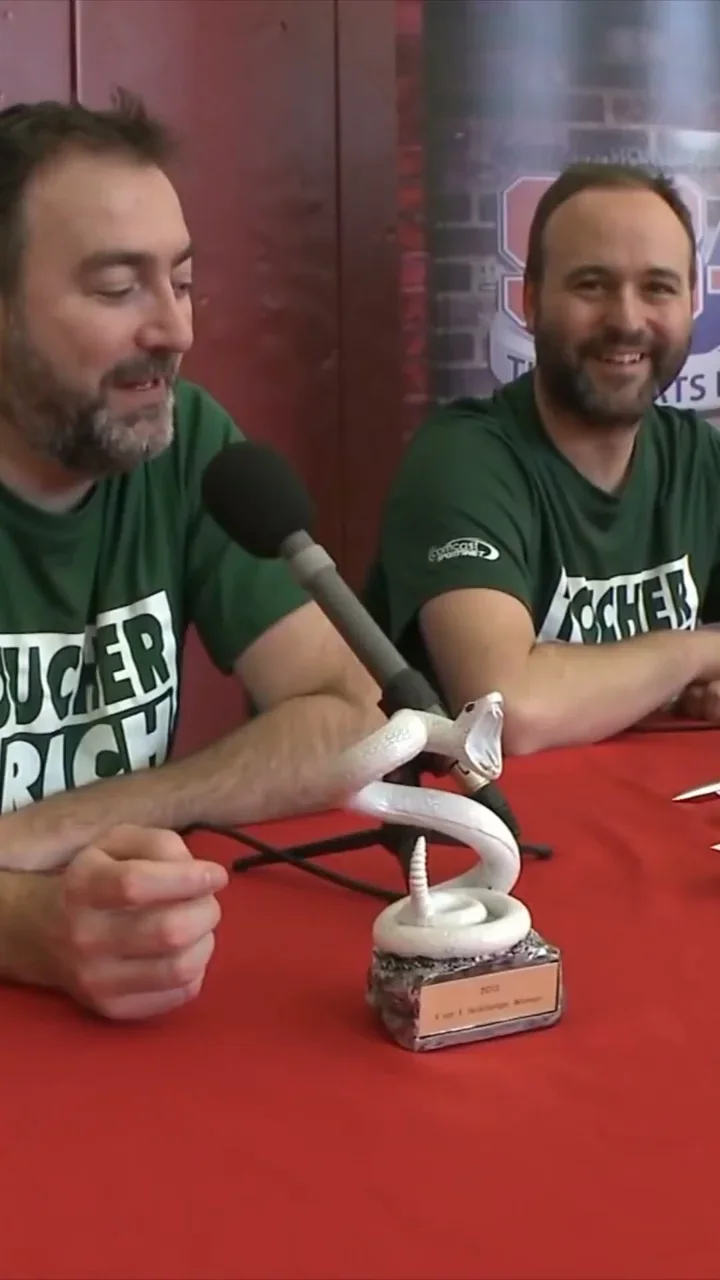 8.4M views
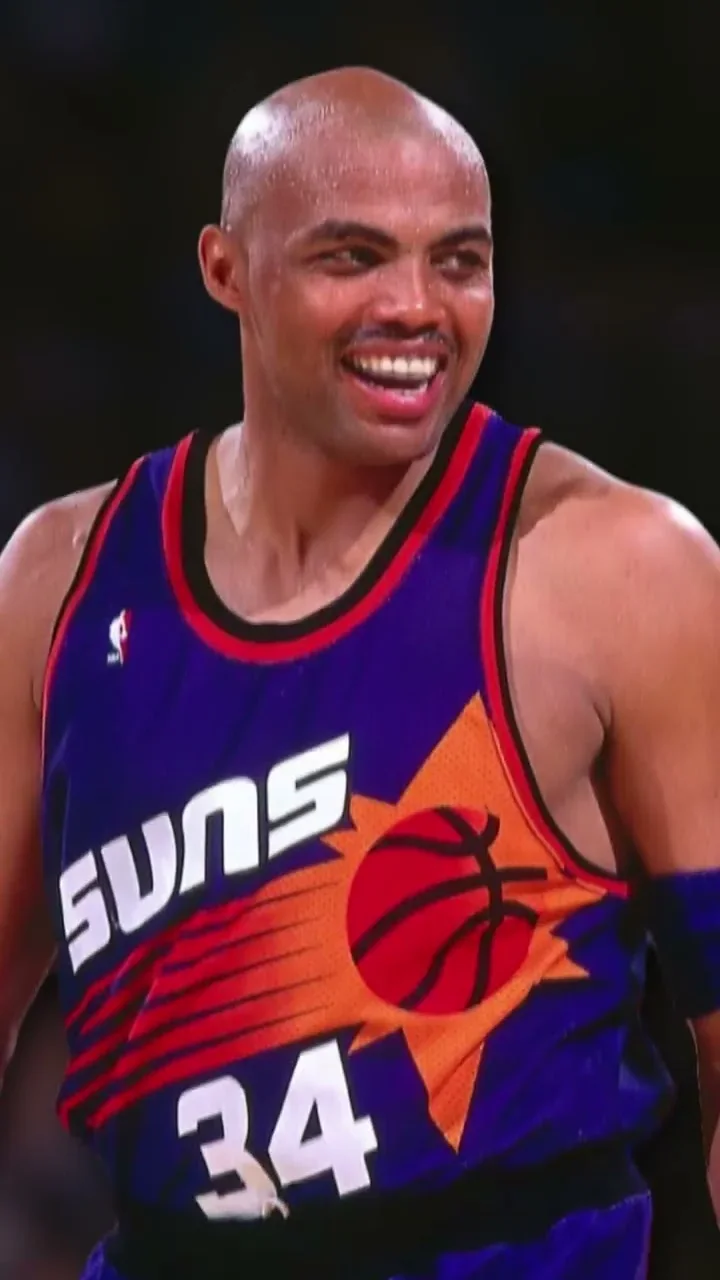 846K views
 2.9M views
Step 1: Record with clipping in mind
Clips are easier to cut when the episode is shot for them. Descript says clips work when the episode is recorded with good lighting, a framed shot and moments that stand alone. Spotify describes a multi-camera shoot as a wide angle on everyone plus a camera for each speaker, which gives you a clean single for every vertical clip. Keep the full episode wide: Spotify recommends 16x9 for full video episodes, and YouTube says a wide ratio such as 16:9 keeps a video from being classed as a Short. For editing and posting software, see the best tools for clipping agencies.
Step 2: Pick moments that stand alone
A good clip is one complete moment: a strong opinion, a story with a turn, a number that surprises. YouTube advises that a Short cut from long-form should stand alone and make sense without outside context. Spotify advises hooking viewers in the first three to seven seconds and building a short story arc from a few moments, and one producer found that putting guest credentials on screen before the guest’s name made clips perform better.
Step 3: Cut it for each platform
- Length. One show featured by Spotify makes 60 to 90 second videos built to hook people on the full episode. YouTube Shorts can run up to three minutes.
- Framing. Vertical, tight on the speaker, with the other camera cut in for reactions.
- Captions. Burned-in captions make clips work for viewers watching on mute.
Step 4: Point back to the full episode
A clip only grows the show if viewers know there is more. They most often know a full episode exists when the creator mentions it or an on-screen title flags it. YouTube suggests verbal and visual calls to action in the final 5 seconds of a Short, and a Short can link to a related video right below the channel handle. One creator featured by Spotify posts a trailer clip the morning an episode is released, with a link to the full episode. Spotify clips do not require a video podcast, so audio-first shows can use them too.
Step 5: Keep every clip original
Clipping your own show is the safe case, but the rules still bite when clips add nothing.
- 01YouTubeIt lists clips of moments from a show edited together with little or no narrative as an example of reused content, judges it across the whole channel, and applies the rule even with the creator’s permission. Reviewers check how the creator made, took part in or produced the content, which favours the show’s own channel. Shorts made to support a podcast do not appear in YouTube Music.
- 02TikTokUnoriginal or reused material is ineligible for the For You feed, and clips showing another account’s watermark or logo are a listed example.
- 03Instagram and FacebookInstagram only recommends the original of identical posts, and says watermarks or speed changes do not make content original. Facebook treats content filmed or produced by the owner of a Page as original.
So post from the show’s own accounts, edit each clip as its own story, and never repost a clip with another account’s watermark on it.
Step 6: Clear the rights
- Guests. A release form grants permission to use the guest’s image, voice and other identifiable features, and often sets how long and how widely they can be used. Cover clips and social posts before you record.
- Music. TikTok warns that using its General Music Library to promote a business risks copyright infringement, while its Commercial Music Library is pre-cleared for commercial use.
- Anything you did not make. Every YouTube upload is scanned by Content ID, a Short over one minute with an active copyright claim is blocked worldwide, and there is no set length that is always safe to use without permission.
Step 7: Measure what converts
Views are the easy number and the least useful one. A YouTube Shorts view now counts every start or replay, so look at Engaged views for how many chose to keep watching. YouTube measures views, not downloads, so its numbers cannot simply be added to your host stats. Spotify counts a play from a clip when it happens within 24 hours of the clip being viewed and reports clip impressions over 30 days. For traffic to your own site, tag every link with utm_source, utm_medium and utm_campaign. Then compare clips on what matters: new followers, episode views and link clicks, and make more of what worked. For platform-wide figures on Shorts and Reels, see our short-form video statistics.
Video can move the whole show. Spotify reports that Boy Problems grew its Spotify audience 80% in two months after adding video.
Doing it with a team
Clipping a show every week is mostly operations: finding the moments, cutting for each platform, writing hooks and captions, posting every day and tracking every link. Our podcast clipping service does all of it on accounts you own, with views, link clicks and click-through rate tracked per account. Pricing is quoted per project. Our clipping agency runs that operation for shows and founders.
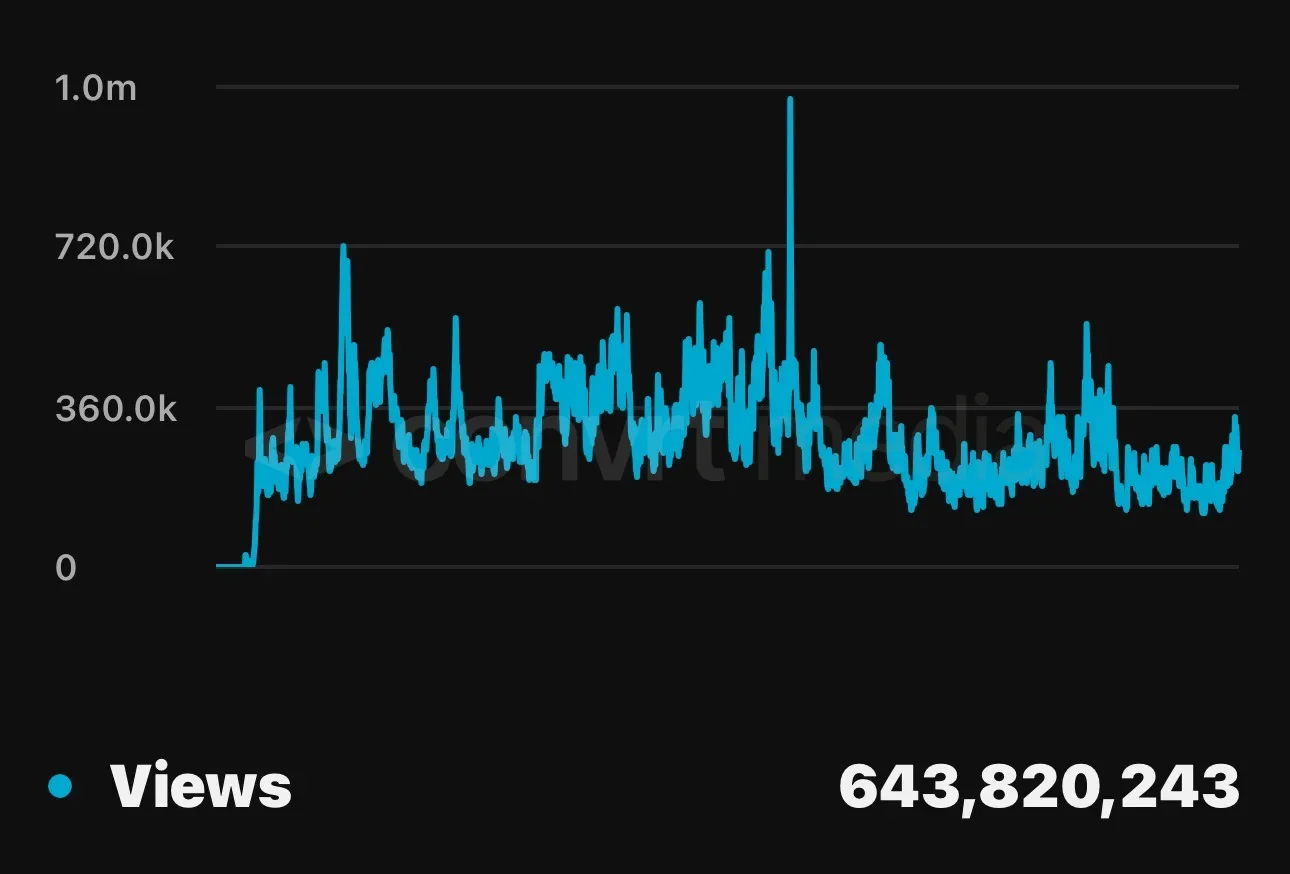
For how the biggest shows do it, see how Diary of a CEO mastered podcast clipping and the Joe Rogan clip economy. For other options, see our guide to podcast clipping services. For a founder whose keynotes become a podcast and dozens of clips, see the GaryVee content model. For a show that streams five days a week and runs an official clips channel, see how Patrick Bet-David uses clips. For a finance podcast that added video and clips when it changed partners, see our Vivian Tu breakdown. For a finance creator who added a weekly interview podcast after her short videos, see our Erika Kullberg breakdown. For a creator who launched a podcast to her TikTok audience and hit No. 1 within 72 hours, see our Tori Dunlap breakdown.
Want this run for you on accounts you own? See how Content Teams works →
Frequently asked questions
Record with clipping in mind, pick moments that make sense on their own, hook viewers in the first few seconds, cut a vertical version for each platform with burned-in captions, tell viewers where the full episode is, post every week, and track which clips send people to the show.
Long enough to tell one moment as a story. One show featured by Spotify makes 60 to 90 second clips, YouTube Shorts can run up to three minutes, and Spotify advises hooking viewers in the first three to seven seconds.
They can. Signal Hill research found roughly a third of clip viewers reliably go on to watch the episode or follow the show, and for younger audiences vertical video has become the main way a new show gets found.
Not if they add something. YouTube lists clips of moments from a show edited together with little or no narrative as an example of reused content, and it judges this across the whole channel. Clips cut as standalone stories, with a hook, captions and context, are what it asks for.
Get it in writing. A guest release form grants permission to use the guest’s image, voice and other identifiable features, and often sets how long and how widely they can be used, so cover clips and social posts in the release before you record.
- YouTube Official Blog, 1 billion monthly podcast users (Feb 2025)
- Podnews, Edison Research Infinite Dial US 2026
- Westwood One, Cumulus Media and Signal Hill podcast survey (June 2026)
- Sounds Profitable, The Front Door (July 2026)
- Spotify newsroom, investor day podcast updates (May 2026)
- Spotify for Creators, how clips drive discovery
- Spotify for Creators, how to start a video podcast
- Spotify for Creators, how Boy Problems grew its audience
- YouTube Official Blog, related video traffic from Shorts (July 2026)
- YouTube Help, Shorts length and copyright claims
- YouTube Help, how Shorts views are counted
- YouTube Help, link a related video to a Short
- YouTube Help, channel monetization policies (reused content)
- YouTube Help, podcasts in YouTube Music
- YouTube Help, how Content ID works
- Tubefilter, turning long videos into Shorts (July 2022)
- TikTok, integrity and authenticity guidelines
- TikTok for Business, royalty-free music library
- Instagram, recommendations and originality (April 2024)
- TechCrunch, Instagram restricts aggregators (April 2026)
- Meta, rewarding original creators on Facebook (March 2026)
- Briffa, release forms in podcasting
- US Copyright Office, fair use index
- Podnews, YouTube podcast stats
- Google Analytics Help, UTM parameters
- Descript, optimising a podcast for video clips (July 2026)
- Riverside, Magic Clips
- Variety, SubwayTakes launches a podcast (Feb 2025)
- YouTube Official Blog, SubwayTakes Emmy nomination (Aug 2026)