Content repurposing means turning one piece of content, often a long video, podcast or webinar, into many new pieces for other formats and platforms.
Repurposing your own content is normal. Reposting other people's work without adding anything is what the platforms limit.
YouTube, TikTok, Instagram and Facebook all now favour original content and limit reach for unoriginal reposts.
Each platform has its own length limit: Shorts and recommended Reels up to 3 minutes, TikTok uploads up to 60 minutes.
Content repurposing meaning
To repurpose is to find a new use for an idea. In marketing, content repurposing means taking something you have already made, usually a long video, podcast, webinar or article, and turning it into new pieces for other formats and platforms.
One recording can feed every platform. That matters because the audience is spread out: Pew found YouTube and Facebook are the most widely used social media platforms in the US, with about half of adults on Instagram, and YouTube Shorts now averages 200 billion daily views.
What one long video can become
| From one long video | Where it goes |
|---|---|
| Short vertical clips, one idea each | YouTube Shorts, TikTok, Instagram Reels, Facebook Reels |
| Square or landscape cuts | LinkedIn, X, the website |
| Quote graphics and carousels | Instagram, LinkedIn |
| A written summary or article | Your blog, a newsletter |
| Audio only | Podcast apps |
Teams already work this way. Wistia’s 2026 State of Video report found 88% repurpose webinar content, and HubSpot found 76% adjust the aspect ratio depending on where they post. In HubSpot’s 2026 State of Marketing report, repurposing content across channels (35.08%) was one of the top trends marketers named.
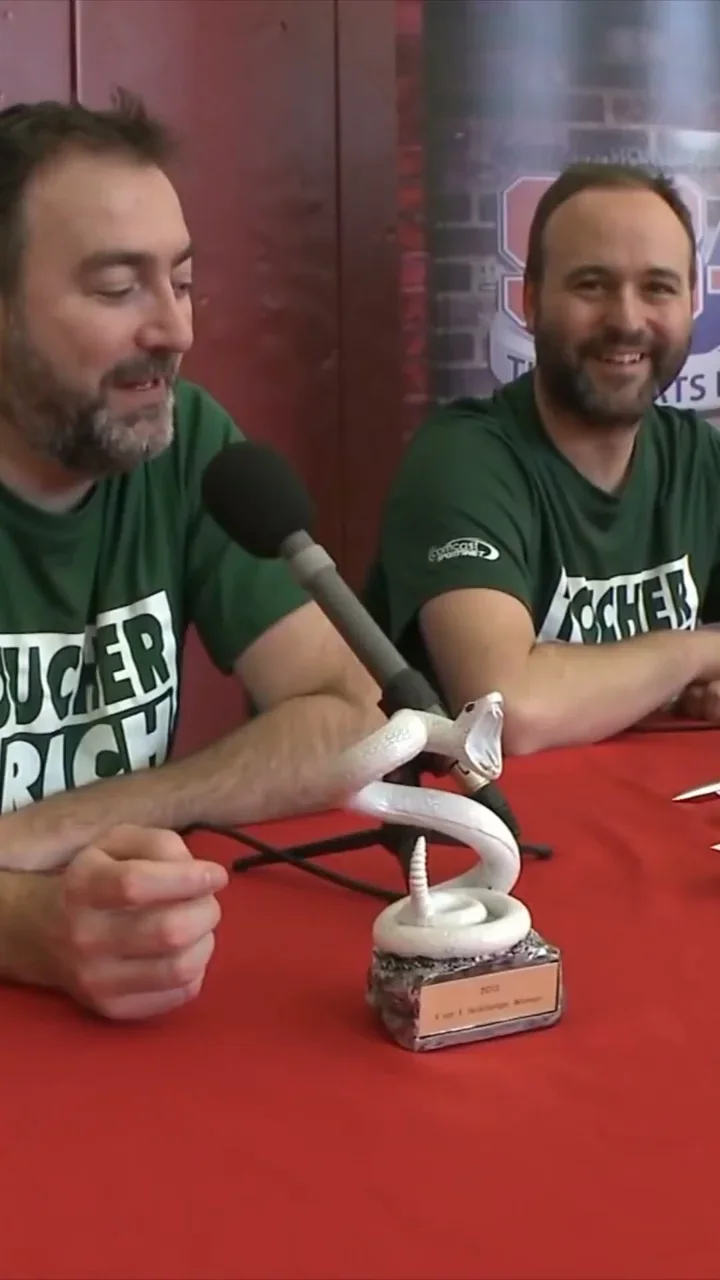 8.4M views
 846K views
 2.9M views
Why it works
- Long-form has a big audience of its own. YouTube says one billion viewers are watching podcasts every month. Short clips are how many of them find a show.
- Clips send people back. On YouTube, Shorts you create from your videos are linked back to your original video.
- One recording goes a long way. Wistia says the clips from one webinar got 800,000+ views and over 1,500 hours of watch time.
- The tools now help. TikTok’s Smart Split automatically clips, reframes, captions, and transcribes longer content into short videos.
How to repurpose content, step by step
- Start with your best long piece. A podcast episode, interview, talk or webinar with several clear ideas.
- Pull the moments. Each clip needs one idea and a hook in the first second.
- Cut for each platform. Vertical for Shorts, TikTok and Reels, with the length each one allows.
- Add captions. YouTube says auto-captions may vary in quality and encourages creators to add professional captions first.
- Write a new caption and title for each post. Not the same line everywhere.
- Measure and repeat. Track views, link clicks and click-through rate per post, then cut more like the winners.
For the full method, read how to repurpose long-form content. For podcasts, see how to grow a podcast with clips. For a founder who repurposes at scale, see how Alex Hormozi uses clipping and content repurposing. For the model that turned one keynote into 30+ pieces, see the GaryVee content model.
Length limits by platform
| Platform | Short-form limit |
|---|---|
| YouTube Shorts | Square or vertical videos up to three minutes |
| Instagram Reels | Reels over 3 minutes won’t be recommended to new audiences |
| TikTok | Uploads can be up to 60 minutes long |
| Maximum video duration: 15 minutes |
The originality rules in 2026
Repurposing your own content is normal. What every platform now limits is reusing someone else’s work without adding anything.
- YouTube. Reused content means repurposing content already online without adding significant original commentary, substantive modifications, or educational or entertainment value. YouTube says we allow reused content if viewers can tell that there’s a meaningful difference. A Short over one minute with an active copyright claim will be blocked globally.
- TikTok. Content is ineligible for the FYF if it includes unoriginal or reused material without anything new.
- Instagram. When it finds identical posts, Instagram says we will only recommend the original one.
- Facebook. Meta counts adding borders, inserting captions, and changing the reel’s speed on someone else’s content as low-value changes. Accounts that repeatedly reuse others’ work will also receive reduced distribution. Meanwhile, views and time spent on original Reels approximately doubled in the second half of 2025.
Clipping someone else’s show is a separate question; see is clipping legal.
Repurposing written content and SEO
Google says some duplicate content on a site is normal and not a spam violation. When the same article sits at two addresses, a rel="canonical" link tells Google which one to show. What Google does treat as spam is republishing content from other sites without adding any original content or value.
Doing it with a team
Repurposing every recording onto four platforms every day is a full workload. A content repurposing agency takes it on; our own team edits and posts daily on accounts you own, with every view and link click tracked. To compare options, see our list of content repurposing agencies.
Want this run for you on accounts you own? See how Content Teams works →
Frequently asked questions
Taking a piece of content you have already made, such as a video, podcast, webinar or article, and turning it into new pieces for other formats and platforms: short clips, posts, carousels, quotes or a blog post.
A one-hour podcast episode cut into ten short vertical clips for YouTube Shorts, TikTok and Instagram Reels, plus quote posts and a written summary. Wistia says the clips from one of its webinars got 800,000+ views.
Repurposing your own content is fine. The limits are on reusing other people’s content without adding anything. YouTube allows reused content when there is a meaningful difference, and TikTok says unoriginal or reused material without anything new is not eligible for the For You feed.
Not when it is done well. Google says some duplicate content on a site is normal and not a spam violation. Use a canonical link when the same article lives at two addresses, and add new value when you rewrite.
Cross-posting shares the same file on several platforms. Repurposing changes it: a new length, aspect ratio, hook, caption or format made for each place it goes.
- Cambridge Dictionary: REPURPOSE | English meaning
- YouTube Help: YouTube channel monetization policies
- YouTube Official Blog: From the CEO: What’s coming to YouTube in 2026
- YouTube Official Blog: Neal Mohan at Cannes Lions 2025: What 20 years of YouTube reveals about creativity’s future
- Meta Newsroom: Rewarding Original Creators on Facebook
- Pew Research Center: Americans' Use of Social Media in 2026
- YouTube Help: Create YouTube Shorts from your videos (Android)
- TikTok Newsroom: New AI-powered tools to make it easier to create and share on TikTok
- Wistia: The Key Takeaways From Wistia's 2026 State of Video Webinar
- HubSpot Blog: State of Video in 2026: Video Marketing Statistics & Insights from Wistia
- Wistia: How One Webinar Drove a Year of Content
- YouTube Help: Understand three-minute YouTube Shorts
- TikTok: Community Guidelines - Integrity and Authenticity (Policies & engagement)
- Meta for Creators: Combating unoriginal content
- Instagram for Creators: Helping creators find new audiences
- Google Search Central: What is URL Canonicalization
- Google Search Central: Spam Policies for Google Web Search
- TikTok Support: Camera tools
- Instagram Help Centre: Record a reel on Instagram
- LinkedIn Help: Video sharing troubleshooting
- YouTube Help: Use automatic captioning
- HubSpot Blog: 2026 state of marketing: Data from 1,500+ global marketers