UGC ads are paid ads built from content made by creators or customers rather than by the brand, run from the brand’s account or from the creator’s own handle.
Each platform has its own tool: partnership ads on Instagram and Facebook, Spark Ads on TikTok, creator partnerships boost on YouTube and partnership ad codes on Snapchat.
Platforms report better results for creator ads: TikTok says creator ads drive a 70% higher click-through rate, and Meta found incremental conversions 45% cheaper when over 30% of a campaign was partnership ads.
You need the right to use the content as an ad, and paid content must be labelled under FTC, UK and EU rules.
UGC ads meaning
UGC stands for user-generated content: photos and videos made by creators or customers rather than by the brand. A UGC ad is that content with paid reach behind it. It usually looks like a normal post: a person talking to camera, a review, an unboxing, a tutorial or a before-and-after, shot on a phone.
There is a lot of money behind it. The IAB says US creator economy ad spend is projected to reach $37 billion in 2025, rising to an expected $44 billion in 2026, and Nearly half (48%) of ad spenders consider creators a “must buy”.
Two ways to run UGC ads
| From the brand’s account | From the creator’s handle | |
|---|---|---|
| What happens | The creator delivers the video; the brand uploads and runs it as its own ad | The creator posts or shares a code; the brand pays to promote the post with the creator’s name in the header |
| Tools | Any ads manager | Partnership ads (Meta), Spark Ads (TikTok), creator partnerships boost (YouTube), partnership ad codes (Snapchat) |
| What you pay for | The video plus usage rights | The video, usage rights and use of the creator’s handle, usually for a set period |
| Best for | Testing many hooks and versions | Borrowing the creator’s trust and social proof |
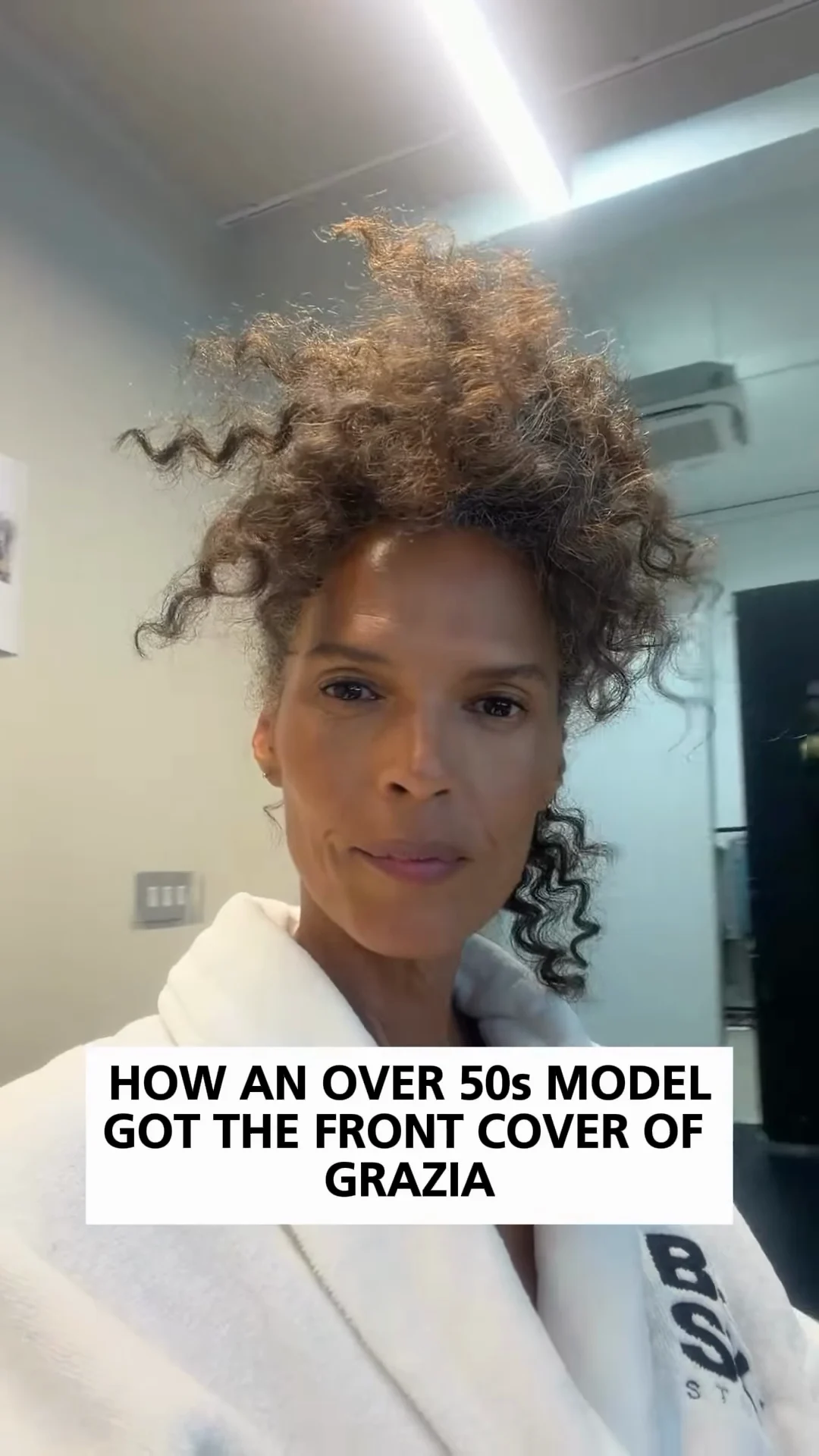 100K views
 76K views
 64K views
The platform tools
- Instagram and Facebook: partnership ads. Meta says The partner and/or advertiser accounts are featured in the ad's header. A creator can generate a code that lets a brand boost your content, including archived Instagram content. Reels, stories, static posts and carousels can all be run as partnership ads, but Content that includes licensed music cannot be run as a partnership ad.
- TikTok: Spark Ads. Spark Ads is a native ad format that allows you to leverage organic TikTok posts. The creator sends an authorization code, and you can Customize the duration of your authorization code. TikTok calls TikTok One's Creator Marketplace its official platform for brand and creator deals.
- YouTube: creator partnerships boost. It lets brands to use YouTube creator videos in their ad campaigns in Google Ads.
- Snapchat: partnership ad codes. Once imported, the video/image will be available to the advertiser account in perpetuity, so agree how long you may use it in the contract.
What the platforms report
These are the platforms’ own studies, so treat them as direction, not a promise:
| Platform | Finding |
|---|---|
| TikTok | Creator ads drive a 70% higher click-through rate and 159% higher engagement rate than non-creator ads for the same CPM |
| TikTok | Ads posted to a creator’s account have a 59% higher engagement rate |
| Meta | When over 30% of campaign assets were partnership ads, incremental conversions were 45% cheaper |
| YouTube | Partnership ads on the creator’s channel drove up to 20% higher conversions on the Shorts feed |
| Snapchat | Creator-led Sponsored Snaps achieved 1.9x higher click rates |
Meta’s partnership ads business is growing fast. In Q1 2026 its revenue run-rate more than doubling year-over-year in Q1 to $10 billion, and in Q3 it surpassed $15 billion in annual revenue run-rate.
Creator content works best alongside brand content, not instead of it. Meta, citing IPA data, says creators have a long-term ROI index of 151 but a short-term index of 99, and a L’Oréal study found campaigns using both brand and creator assets delivered 35% higher ROI than campaigns without creators.
What makes a UGC ad work
- Show the product early. Meta reports more than half of branded content doesn’t show the brand or product in the first 3 seconds, wasting about 45% of creator spend.
- Hook in the first line. Say the problem or the result straight away.
- Make many versions. Test different hooks, creators and calls to action, then put money behind the winners.
- Use royalty-free music if you want to run it as a partnership ad.
- Keep it native. Shot on a phone, vertical, captioned, in the creator’s own words.
Usage rights
Paying a creator for a post does not automatically give you the right to run it as an ad. Google tells advertisers you’re responsible for securing sufficient rights to use the video as an ad, and Instagram tells creators that when a brand puts money behind their content you can advocate for higher pay given the extended usage rights. On Meta, Creators and other partners can revoke these permissions at any time, and if a creator turns off a code, Any active ads using the code will continue running. Write the platforms, the period and the paid usage into the contract. Typical prices are in how much does UGC cost. For every right to agree and what each costs, read influencer usage rights and whitelisting.
Disclosure rules
- 01USThe FTC says a material connection the audience would not expect must be disclosed clearly and conspicuously, and An advertiser may be liable for a deceptive endorsement even when the endorser is not liable.
- 02MetaIts policies require our paid partnership label whenever posting branded content.
- 03TikTokWhen posting branded content, you must enable the commercial content disclosure toggle.
- 04YouTubeSelecting the paid promotion button adds a disclosure label that appears at the beginning of your video.
- 05UKThe CMA says businesses take responsibility for ensuring that paid-for endorsements are labelled. The ASA says a platform label may be sufficient if the label is upfront and prominent, and that content on a brand’s own channels is often already sufficiently clear that it’s advertising.
- 06EUIn a Commission sweep, nearly all (97%) of these influencers posted commercial content but only one in five systematically indicated that their content was advertising.
This is a practical summary, not legal advice.
Getting UGC ads made
Convrt runs creator campaigns: we source creators, write the briefs, handle approvals, contracts and usage rights, and deliver content for your accounts and ads, with every post tracked for views, link clicks and click-through rate. For a brand that boosted creator posts with Spark Ads, see how Glossier built a brand on UGC. For the basics, read what is UGC; for the process, how to run a UGC campaign; and for numbers, UGC statistics.
Want this run for you on accounts you own? See how Content Teams works →
Frequently asked questions
Paid social ads made from user-generated content: videos or images created by creators or customers instead of the brand. They usually look like normal posts, such as a review, unboxing, tutorial or before-and-after, and run with paid reach on TikTok, Instagram, Facebook, YouTube or Snapchat.
A UGC creator is paid for the content, which the brand runs as an ad, often from its own account. An influencer is paid mainly for their audience. Partnership ads and Spark Ads combine the two: the brand pays to promote a creator’s post from the creator’s own handle.
Spark Ads is TikTok’s format for running organic posts, including a creator’s post, as ads. Partnership ads are Meta’s equivalent on Instagram and Facebook, where the creator’s and/or brand’s account appears in the ad header. In both, the creator gives the brand an authorization or ad code.
The platforms say creator ads often perform better. TikTok reports creator ads drive a 70% higher click-through rate and 159% higher engagement rate than non-creator ads for the same CPM, and Google says partnership ads on the creator’s channel drove up to 20% higher conversions on the Shorts feed. These are the platforms’ own figures.
Yes when there is a paid or material connection the audience would not expect. The FTC says the connection must be disclosed clearly, TikTok and YouTube require their disclosure settings for branded content, and the UK ASA says a platform label can be enough if it is upfront and prominent.
- Meta Business Help Center: About partnership ads
- Instagram Help Center: Create a partnership ad code to share with partners
- Instagram Help Center: About partnership ad permissions
- Instagram for Creators: Partnership ads
- Meta Business Help Center: What content is considered branded content?
- Meta for Business: Together creates better, creator marketing white paper (PDF)
- Meta for Business: Closing the creator measurement gap
- Meta Q1 2026 earnings prepared remarks (PDF)
- exchange4media: Meta's creator-led ads hit $15 billion run rate, surging 97% YoY
- TikTok Business Help Center: About Spark Ads
- TikTok for Business blog: The Creator Advantage
- TikTok: Branded Content Policy
- Google Ads Help: About Creator partnerships boost
- Google Ads & Commerce blog: new ways to drive brand engagement with Shorts and creators
- YouTube Help: Add branded content restrictions and disclosure labels
- Snapchat Business Help Center: Using a Partnership Ad Code from Creators
- Snapchat for Business blog: BFF Energy at Scale
- IAB: Creator Economy Ad Spend to Reach $37 Billion in 2025
- eCFR: 16 CFR 255.5 Disclosure of material connections
- GOV.UK (CMA): Social media endorsements: guidance for brands
- ASA/CAP: Influencers' guide to making clear that ads are ads (2026 edition, PDF)
- European Commission press release IP/24/708: influencers rarely disclose commercial content