YouTube is where buyers already are: 84% of US adults use it, and it had the largest share of TV viewing of any media distributor in August 2026.
Growing a channel for a founder or business is seven steps: pick ideas viewers search for, package every video with a title and thumbnail worth clicking, open strong, structure for watch time, pair long-form with Shorts, post on a pace you can keep, and read the right numbers.
YouTube does not push videos to subscribers. It finds videos for each viewer when they open the app, using signals like average view duration and whether viewers enjoyed it, so every video has to earn its reach.
Why YouTube, and how it decides who sees a video
Pew found 84% of US adults use YouTube, Nielsen’s August 2026 gauge gave it 15.8% of TV viewing, more than any other media distributor, and Shorts average over 200 billion views a day. For a founder or business, it is the one platform where a buyer will watch you for twenty minutes. For Shorts figures, see our short-form video statistics.
How it works matters more than any trick. YouTube does not push a channel’s videos to subscribers; it finds videos for each viewer when they open the app, and it has said recommendations drive more viewing than subscriptions or search. The system does not favour any video type. It looks at average view duration and average percentage viewed, at likes and post-watch surveys, and optimises for valued watchtime, time on videos viewers found worthwhile. For short videos the share watched matters most, and for long ones, total minutes watched.
 14M views
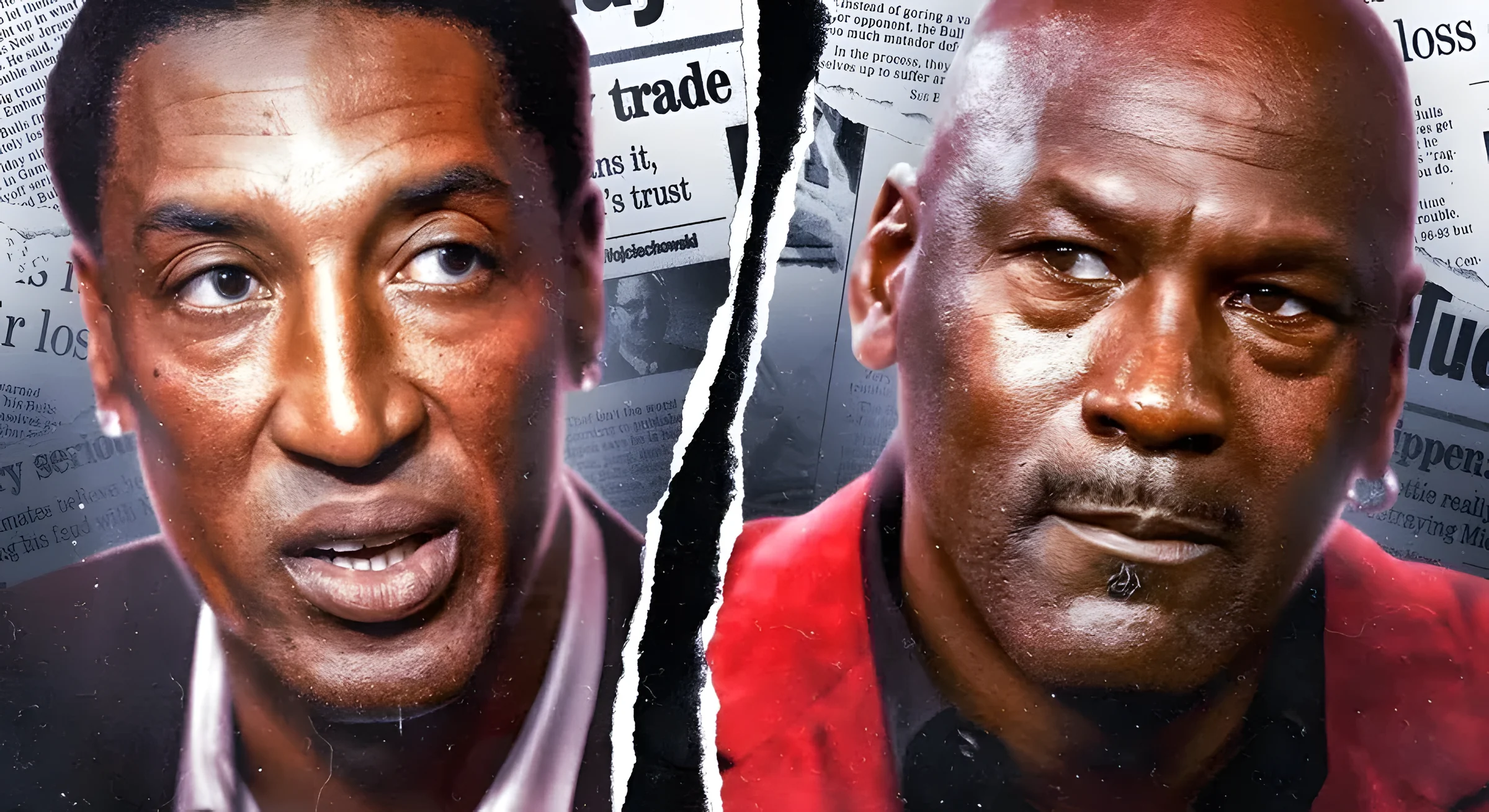 3.5M views
Step 1: Pick ideas people already want
Start from demand, not from what you want to say. The Trends tab in YouTube Studio shows what your audience and other viewers are searching for, flags content gaps where searches find too few good results, and shows videos doing well for similar channels. The old Inspiration tab is being phased out in favour of Ask Studio. When a topic works, YouTube advises turning it into a series.
For a business, the best topics are the questions buyers ask on calls, the mistakes you see clients make, and the decisions your market is weighing right now.
Step 2: Package every video before you film it
The title and thumbnail decide whether anyone presses play. Write them first, then make the video that delivers them.
- 01TestYou can test up to three titles and thumbnails, and YouTube picks the winner on watch time, not click-through rate. A test takes a few days to two weeks, Shorts and Premieres cannot be tested, and YouTube suggests starting with older videos.
- 02Do not oversellClickbait tends to lower average view duration, which makes a video less likely to be recommended.
- 03Leave winners aloneA new title can revive an old video, but YouTube warns against changing ones that already work.
- 04Skip the tagsThey matter little and mainly catch misspellings.
Step 3: Win the first 30 seconds
The audience retention report’s intro figure shows how many viewers are still watching after 30 seconds. YouTube advises trying different openings to find one that holds people, and if a video’s best moments come late, moving that content earlier. Read the dips: they mark where viewers leave or skip ahead. Open on the promise from the title, then deliver it.
Step 4: Structure for watch time
Add chapters so viewers can jump to what they came for: the first timestamp must be 00:00, with at least three timestamps in order. End every video on a reason to watch the next one; a video needs to be at least 25 seconds to carry an end screen.
Step 5: Pair long-form with Shorts
Shorts and long-form run on separate recommendation systems, and YouTube has seen no evidence that Shorts hurt long-form. Shorts can run up to three minutes; upload long videos in 16:9 so they are not classed as Shorts. The link between the two is the related video link: after uploading a Short you can point it at a long video, for example a quick tip linking to the full tutorial, and the long video should deliver what the Short promised within its first 5 to 10 seconds. In the YouTube app, the Get feedback button checks a Short’s hook and pacing before you post.
Step 6: Post on a pace you can keep
Frequency is not the lever people think. YouTube’s analysis found growth in views is not tied to how often a channel uploads, taking a break was not linked to a change in views, and the time of day is not known to affect long-term results. So pick a pace you can hold at full quality. Use scheduled publishing to keep it steady, Premieres so viewers get a reminder before the video starts, and channel posts, which can show on viewers’ home and Subscriptions feeds, between uploads.
Step 7: Read the right numbers
- 01Click-through rateHalf of channels and videos sit between 2% and 10%. Do not judge it right after upload, and a falling rate can be normal when a video is shown widely.
- 02Retention and watch timeThe numbers recommendations care about, so they are the ones to improve.
- 03Returning viewersSubscribers watch about twice as much as non-subscribers, and the format report shows how your video, Shorts and live audiences overlap.
- 04Shorts viewsA Short’s view now counts every start or replay, so weigh them below watch time.
- 05Site visitsTag every link in descriptions with utm_source, utm_medium and utm_campaign, so you see which videos send people to your site.
What it looks like at scale
The Diary Of A CEO began in 2017 as an audio diary about building a business and became the most-subscribed podcast on YouTube’s charts, with 21.3 million subscribers on 1 November 2026. About 23% of its 2026 views came through audio tracks in other languages, and the team runs a dedicated experiment team to test every change. Engineer Mark Rober promotes his CrunchLabs boxes in his own videos, posting about one long video a month. And before running its own channel, Gymshark grew by sending free gear to fitness YouTubers, which is still a fast way into a new audience.
For how the biggest shows spread their long-form into short clips, see how Diary of a CEO mastered podcast clipping. If you want a team to cut your long-form videos into Shorts and post them for you, that is what a content repurposing agency does.
Doing it with a team
A channel is a weekly production line: ideas, scripts, thumbnails, editing, Shorts and posting. Studio is our add-on for Content Teams clients and covers ideas and scripts, thumbnails, long-form editing and short-form for your main page, quoted per project. The Content Team runs the short-form distribution on accounts you own, with views, link clicks and click-through rate tracked per account. Pricing is quoted per project.
For other options, see our guide to YouTube production agencies.
Want this run for you on accounts you own? See how Content Teams works →
Frequently asked questions
Pick topics your buyers already search for, give each video a clear title and thumbnail, deliver the promise in the first 30 seconds, add chapters, post Shorts that link to the long video, keep a steady pace, and judge each video on retention and watch time rather than views alone.
As often as you can keep the quality up. YouTube’s own analysis found growth in views is not tied to how often a channel uploads, and a study of thousands of channels found taking a break was not linked to a change in views.
YouTube runs separate recommendation systems for Shorts and long-form and says it has seen no evidence that posting Shorts hurts long-form. A Short can carry a related video link that sends viewers to the full video.
Half of all channels and videos have an impressions click-through rate between 2% and 10%. YouTube advises against judging it right after upload, and a falling rate can be normal when a video is being shown widely.
Very little. YouTube says tags mainly help with common misspellings. Titles, thumbnails and how long viewers keep watching matter far more.
- YouTube Help, discovery and performance FAQs
- YouTube Help, how YouTube recommends videos
- YouTube Official Blog, on the recommendation system (Sept 2021)
- How YouTube Works, recommendations and search
- Pew Research Center, Americans' social media use (Nov 2025)
- Nielsen, Media Distributor Gauge (Oct 2026)
- YouTube Help, the Trends tab
- YouTube Help, the Inspiration tab
- YouTube Help, grow your audience
- YouTube Help, test and compare titles and thumbnails
- YouTube Help, impressions and click-through rate
- YouTube Help, audience retention
- YouTube Help, video chapters
- YouTube Help, Shorts views and feedback
- YouTube Help, Shorts length
- YouTube Official Blog, Shorts myths (May 2025)
- YouTube Help, related video links on Shorts
- YouTube Official Blog, related video traffic (July 2026)
- YouTube Official Blog, Neal Mohan at Cannes (June 2025)
- YouTube Help, scheduled publishing
- YouTube Help, Premieres
- YouTube Help, channel posts
- YouTube Help, end screens
- YouTube Help, audience reports
- Google Analytics Help, UTM parameters
- Mediaweek, how The Diary Of A CEO beat Joe Rogan (Nov 2026)
- Colin and Samir, how Diary Of A CEO became YouTube's top podcast
- Tubefilter, Mark Rober and CrunchLabs (April 2024)
- Gulf News, Ben Francis and Gymshark (April 2025)