Start with fit, not follower count: in CreatorIQ’s survey, brands rank suitability first and follower count last of eight factors.
The platforms have their own free discovery tools: TikTok One, Meta’s Creator Marketplace, YouTube Creator Partnerships and Snapchat’s Creator Marketplace.
Vet every creator for fake followers and bought engagement; fake or bot followers make up 56.5% of the fraud and quality issues marketers report.
Smaller creators engage more: HypeAuditor puts Instagram nano creators at a 1.79% median engagement rate, falling to about 0.33% for the biggest accounts.
Step 1: decide who you need before you search
Most brands start by searching for big names. The data says start with fit. In CreatorIQ’s 2025-2026 survey, Suitability ranks as the top consideration for brands when partnering with creators, even above content performance, and Follower count is in eighth place, the lowest on the list. Before you search, write down:
- The audience. Country, age, language and what they already watch.
- The goal. Reach, sign-ups, app installs or content you can run as ads.
- The format. Short-form video, long-form YouTube, livestreams or posts.
- The rules for your category. Finance, crypto, gambling and property all have extra advertising rules.
Step 2: use the platforms’ own discovery tools
Every major platform now runs a free marketplace for brands. They show first-party data that third-party tools can only estimate.
A few practical limits: on TikTok One, Your business must be verified to create a project, and creators must have at least 1,000+ followers to join projects. TikTok also gives creators a score designed to help brands collaborate with creators that have high submission rates.
Step 3: search where your customers already are
The best creators are often not on any marketplace yet. Look at:
- Who your customers follow. Ask them, or check who comments on your posts.
- Hashtags and search. Search the problem your product solves on TikTok, YouTube and Instagram, not just your category name.
- Competitors’ creators. Creators who already post about your category know the audience.
- Podcasts and long-form shows. Guests and hosts in your niche, whose clips already travel.
- Your own fans. Customers who already post about you are the easiest yes.
Step 4: vet every creator before you pay
Fake reach is common. In Influencer Marketing Hub’s 2026 benchmark, fake or bot followers account for 56.5% of all reported fraud/quality issues. Inauthentic or templated comments represent 10.6% of selections, and bought engagement represents 10.2%. In the US, the FTC’s rule also bars people who Purchase or procure fake indicators of social media influence for a commercial purpose.
Check each creator for:
- Audience location and age. Ask for a screenshot of their own analytics, or use the marketplace data.
- Views per post, not followers. The median of their last 20 posts is a better guide than any one hit.
- Comment quality. Real questions and replies, not strings of emojis.
- Brand safety. Past posts, past sponsors and anything that clashes with your category rules.
- Reliability. Do they post on time and reply to briefs?
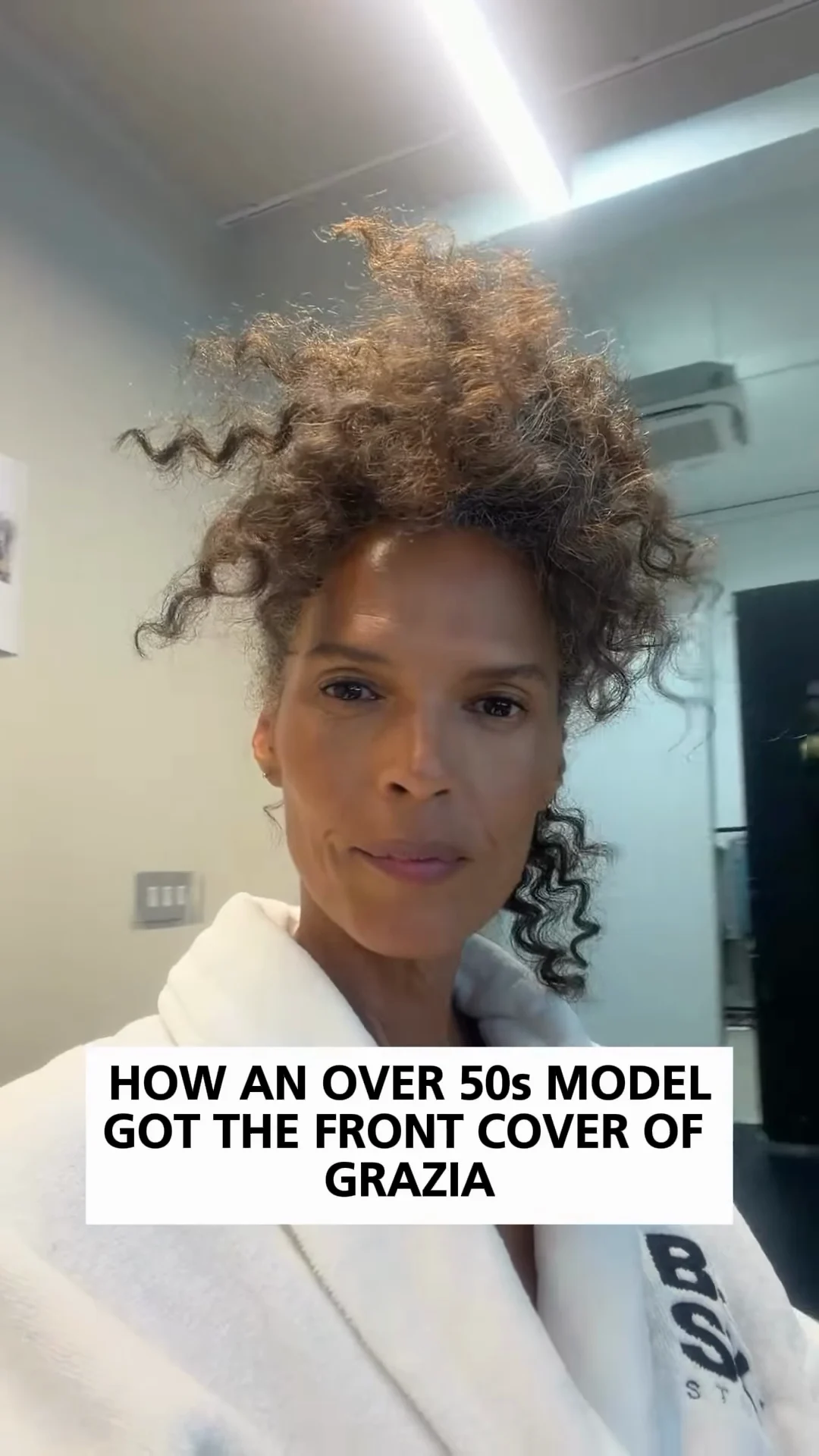 100K views
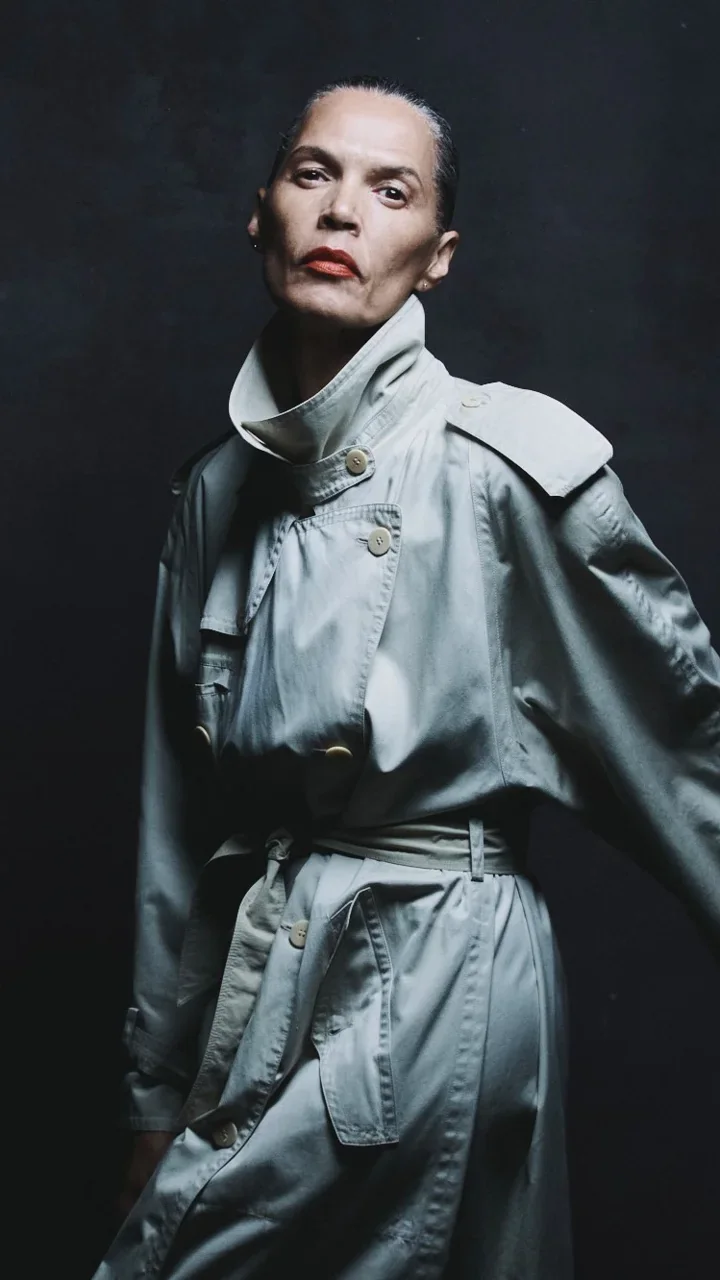 76K views
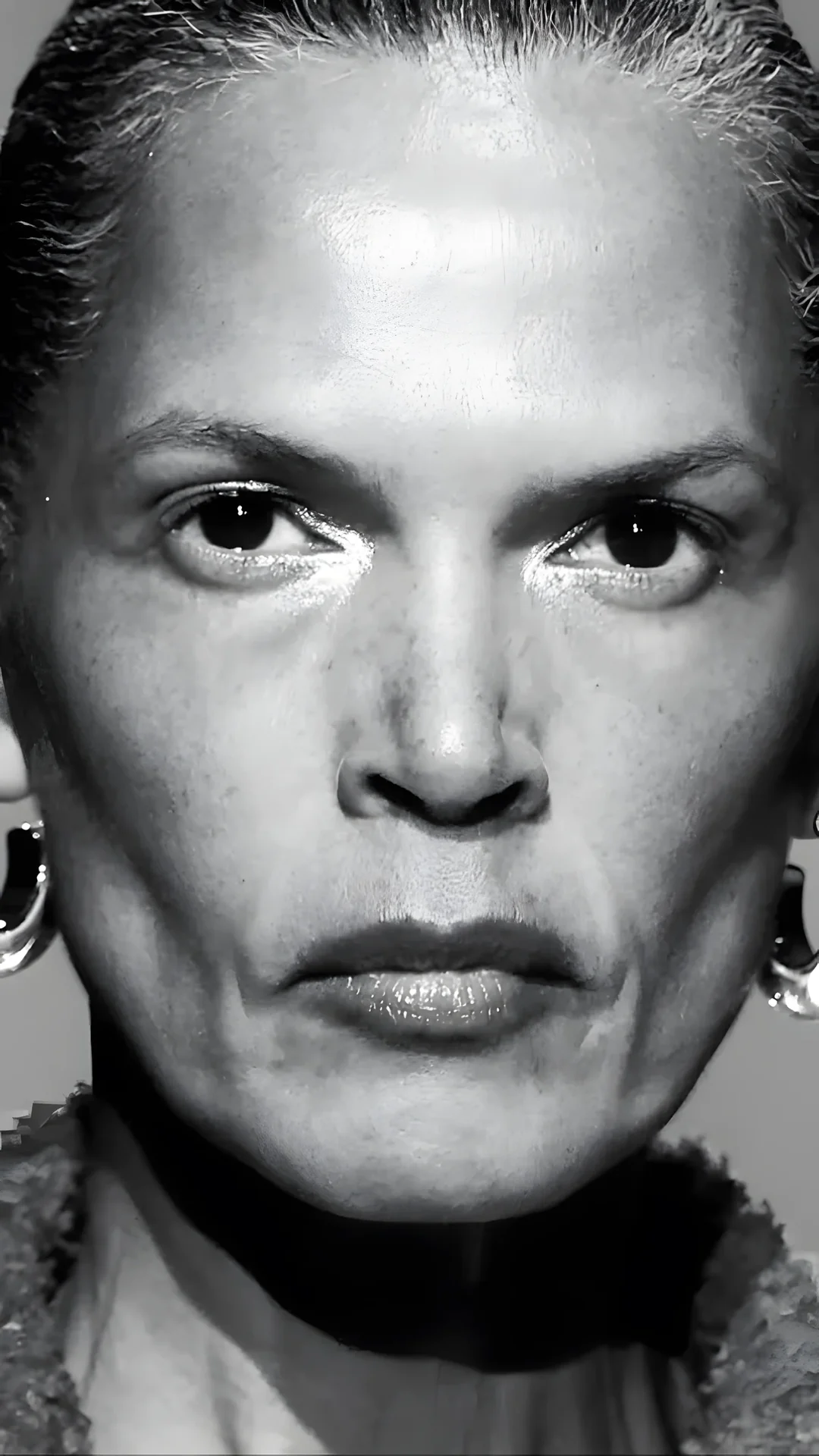 64K views
Step 5: compare engagement to the right benchmark
Engagement rates fall as accounts grow, and TikTok measures them against views, so compare like with like.
| Benchmark | Median engagement rate |
|---|---|
| Instagram nano creators | the highest median engagement rate at 1.79% |
| Instagram macro and mega creators | reaching a median of 0.33% |
| All TikTok creators | the median engagement rate across all TikTok creators stands at 11.2% |
| TikTok macro and mega creators | reaching 6.8% among both macro and mega influencers |
| Brand accounts on TikTok | With a 2.01% engagement rate |
| Brand accounts on Instagram | falling from 0.36% to 0.30% |
Creator figures are from HypeAuditor’s State of Influencer Marketing 2026; brand account figures from Rival IQ’s 2026 benchmark. Creators beat brand accounts on both platforms.
Step 6: choose the tier mix
Over four in five Instagram creators are nano-influencers, and HypeAuditor says Micro- and nano-influencers are now the most effective tier for engagement and conversion. Marketers agree: For nano creators , 51.43% of respondents indicate expansion intent, while Macro creators, by contrast, read as essentially neutral. A common mix is many small creators for testing and a few larger ones once you know which message works.
Step 7: brief, contract and disclose
Put the brief, the usage rights and the disclosure rules in writing before anything is posted. For what to put in the contract, read influencer usage rights and whitelisting.
- US. The FTC says Starting a post with "Ad:" or "Paid ad" or "#ad" would likely work, and it's always best to add your own disclosure even if a platform offers its own disclosure tool.
- UK. The CMA tells brands: If you send out free gifts to content creators, make sure you include clear instructions that any content posted as a result must be labelled as an ‘Ad’. The ASA says to Avoid labels such as ‘aff’, ‘af’ and ‘afflink’.
For the full process, read what a creator campaign is and how much influencer marketing costs. For a brand that grew this way, see how Daniel Wellington grew on influencers.
Or let a team find them
Discovery and vetting is the job brands hand off most: The most commonly outsourced function is creator discovery and vetting (19.44%). Convrt runs creator campaigns end to end: we source and vet influencers in the markets you sell to, write the briefs, handle approvals, contracts and usage rights, and track every post for views, link clicks and click-through rate. More reading: what is influencer marketing and influencer marketing statistics.
Want this run for you on accounts you own? See how Content Teams works →
Frequently asked questions
Define your audience and goal, then search the platforms’ own tools (TikTok One, Meta’s Creator Marketplace, YouTube Creator Partnerships), check hashtags and the creators your customers already follow, and shortlist by fit. Vet each one for audience location, engagement and fake followers before you reach out.
Each platform has a discovery tool: TikTok One lets verified businesses invite eligible creators, Meta’s Creator Marketplace lets brands filter Instagram creators by creator and audience attributes, and YouTube Creator Partnerships helps brands find YouTube Partner Program creators in 24 countries and regions.
It depends on platform and size. HypeAuditor’s 2026 report puts the median at 1.79% for Instagram nano creators, about 0.33% at the macro and mega tiers, and 11.2% across all TikTok creators, where engagement is measured against views.
Look for audience locations that do not match the creator’s content, sudden follower jumps, comments that are generic or repeated, and engagement far above or below the norm for the tier. Marketers say fake or bot followers make up 56.5% of the fraud and quality issues they find.
For most brands, start with nano and micro creators. They engage more and cost less, and in Influencer Marketing Hub’s 2026 survey 51.43% of marketers plan to expand nano work, while macro intent is flat. Use bigger creators when you need reach in one go.
- TikTok Ads Help: About working with creators on TikTok One campaigns
- TikTok Ads Help: How to find creators in TikTok One
- TikTok Ads Help: About the TikTok One creator score
- TikTok Ads Help: How creators can sign up for TikTok One
- TikTok Ads Help: Types of TikTok One solutions
- Meta Newsroom: Creator marketplace for brands and creators to collaborate on Instagram
- Meta Newsroom (Brazil): Cannes Lions 2026 new creative and creator tools
- YouTube Help: Get started with YouTube Creator Partnerships
- Snapchat Creators: Monetize your creativity
- LinkedIn Pressroom: How LinkedIn is helping B2B marketers reach audiences at scale with creators and video
- Influencer Marketing Hub: Influencer Marketing Benchmark Report 2026
- eCFR: 16 CFR Part 465 (Rule on the Use of Consumer Reviews and Testimonials)
- HypeAuditor: State of Influencer Marketing 2026
- Quid / Rival IQ: 2026 Social Media Industry Benchmark Report
- Marketing Dive: Creator fit beats follower count for brands
- CreatorIQ: The State of Creator Marketing 2025-2026
- IAB: 2025 Creator Economy Ad Spend & Strategy Report
- FTC: FTC's Endorsement Guides: What People Are Asking
- GOV.UK (CMA): Social media endorsements: guidance for brands
- ASA / CAP: Influencers' guide to making clear that ads are ads