Influencer marketing rents a creator’s audience. UGC buys creator-made videos you run on your own accounts and ads. Clipping cuts your long-form videos into many short clips posted across many accounts.
Each one fixes a different problem. Influencers bring trust from an audience that already exists (three in ten US social media users have bought after a creator post), UGC fixes tired ad creative, and clipping turns long videos you already have into reach.
For a consumer app or a founder-led brand, the strongest setup is usually two of them together: creators for trust, plus a daily stream of short-form on accounts you own so the attention has somewhere to land.
The three in one line each
- Influencer marketing: a creator posts about you on their own account, to their own audience. You rent their trust and their reach.
- UGC (user-generated content): creators make videos for you, and you post them on your own accounts or run them as ads. You buy the content, not the audience.
- Clipping: your long-form video (a podcast, stream, interview or YouTube video) is cut into many short clips and posted across many accounts. In a typical campaign, creators turn existing long-form content into short clips for TikTok, YouTube Shorts, X and Instagram Reels.
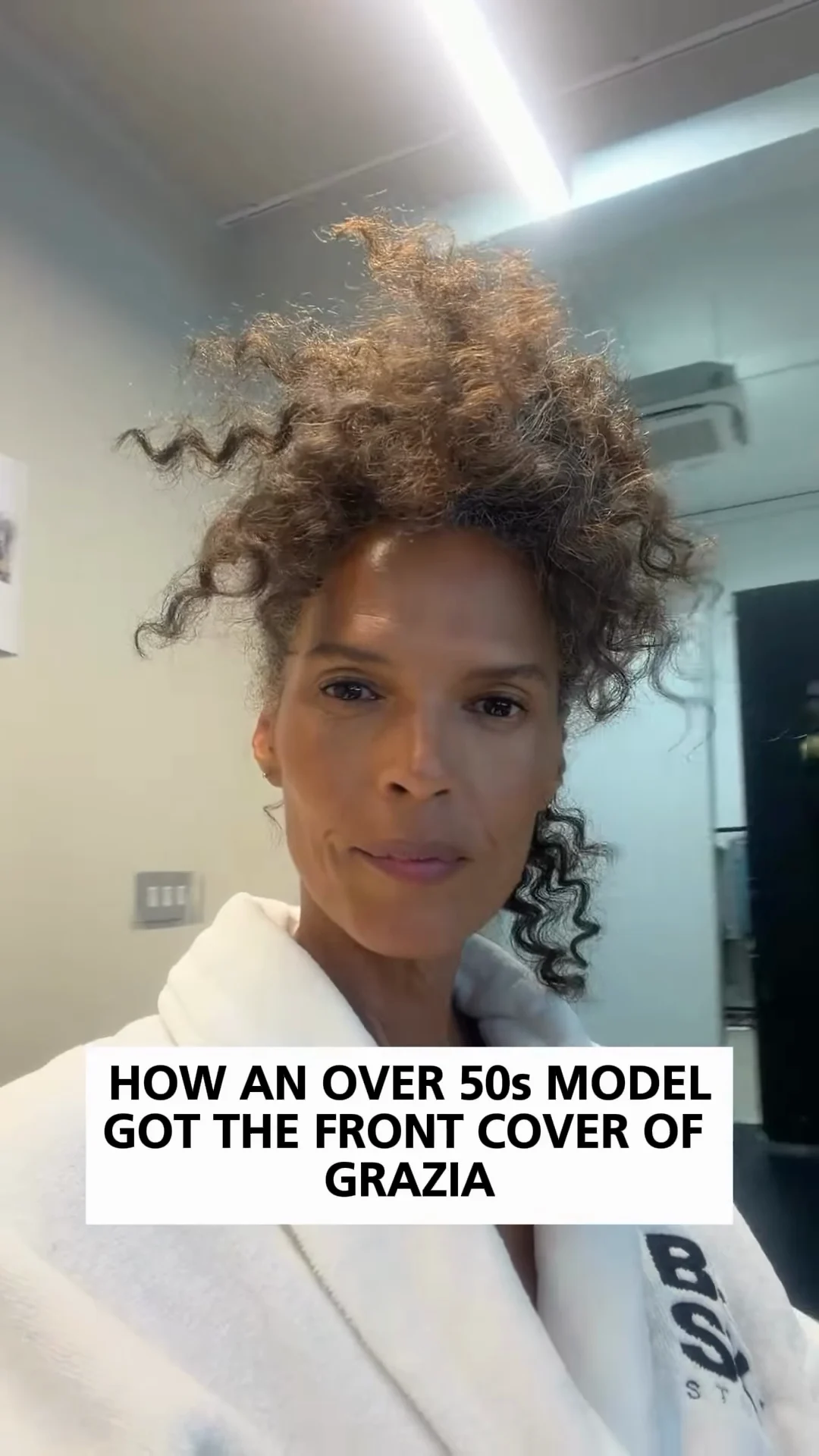 100K views
 76K views
 64K views
Side by side
| Influencer marketing | UGC | Clipping | |
|---|---|---|---|
| Who makes it | The creator | The creator, to your brief | Editors or clippers, from your footage |
| Where it posts | The creator’s account | Your accounts and your ads | Many accounts, often clipper-owned or yours |
| Whose audience | The creator’s | Yours, or whoever your ads reach | New viewers found by the feed |
| What you need first | A product worth talking about | A clear ad angle | Long-form video worth clipping |
| What you keep | Usually just the post | The videos, under the usage rights you agree | The clips, and the accounts if they are yours |
| Main risk | Unlabelled ads, wrong audience | Generic videos that read as ads | Unoriginal reposts and fake views |
Influencer marketing: borrowed trust
People follow people. Pew found that four in ten US social media users follow influencers or creators, three in ten have bought something after a creator posted about it, and 54% of 18 to 29 year olds say influencers shape what they buy at least a little. For more checked figures, see our influencer marketing statistics.
That trust has limits. Only one in ten people who follow health and wellness influencers trust all or most of what they hear. The fit between the creator and your product matters more than the follower count, and the post only lives as long as the creator keeps it up.
Use it when you need credibility fast in a community that already has trusted voices, such as finance, crypto, gaming or fitness. See how to run a UGC and influencer campaign for the full process. For a fuller explainer, see what influencer marketing is.
UGC: creator-made content you control
UGC pays creators to make videos, then puts those videos where you choose: your own accounts, your ads, your app store page. TikTok calls user-generated content one of the strongest forms of social proof, and both big ad platforms now let you run a creator’s post as an ad: TikTok through Spark Ads and Meta through partnership ads. New to the term? Here is what UGC is, with the common formats.
The catch is ownership. Usage rights set how the content is used, where it appears and for how long, so agree them in writing before anyone films. Use UGC when your paid ads are tiring and you need many new angles to test. For current rates, see how much UGC costs in 2026.
Clipping: reach from video you already have
Clipping has grown into its own economy. NPR reported in May 2026 that thousands of clippers flood social platforms with short clips of podcasts, sports and films, and that streamer Hasan Piker’s average clip is viewed more than 700,000 times against about 33,000 for his average livestream. Bloomberg reported that MrBeast works with more than a thousand clippers.
Clips are usually paid per view, per approved clip or on retainer. Two things decide whether it works:
- Each clip must add something. YouTube treats content without significant original commentary or changes as reused, TikTok keeps unoriginal content out of the For You feed, and Instagram recommends only the original when it finds identical posts. Captions, a hook and a real edit are the difference between reach and a ban.
- The views must be real. The FTC’s 2024 rule bans buying or selling fake views and followers, and campaign platforms now score clips for bot likelihood before paying out.
Use clipping when a founder, host or creator already films long-form and you want that message in front of millions of short-form viewers. See what is content clipping and how to run a clipping campaign.
The fourth option: accounts you own
All three channels above put your message on someone else’s account at some point. A fourth model keeps it at home: a team edits and posts short-form every day on accounts you own, one per platform, with every post tracked for views, link clicks and click-through rate. The content can come from your long-form (clipping), from creators (UGC), or both, but the audience builds on your accounts and stays after any campaign ends. All three are kinds of creator campaign; see the five types of creator campaign.
This is how our Content Teams work: each channel is four accounts you own, one per platform, with 120 posts a month and every post checked by a manager before it goes out.
Which one fits your goal
| If you want to | Start with |
|---|---|
| Be trusted fast in a niche with strong voices | Influencer marketing |
| Fix tired paid ads with new angles | UGC |
| Turn a podcast or founder videos into daily reach | Clipping |
| Build an audience that stays with you | Short-form on accounts you own |
| Launch a consumer app | Creators for trust, plus daily short-form on your own accounts |
The rules apply to all three
Whichever you pick, the brand carries the risk. The FTC says a brand is ultimately responsible for what influencers and others do on its behalf, and that for video the disclosure belongs in the video itself, not only in the description. Every paid clip, creator post and UGC video that is posted as a recommendation needs a clear label. For finance, crypto and betting, the rules go further: see finfluencer marketing rules and iGaming influencer rules.
Doing it with a team
We run both sides. Content Teams post every day on accounts you own, with clips cut from your long-form and every click tracked. Pricing is quoted per project. Creator campaigns handle influencers and UGC end to end, from sourcing and briefs to contracts, usage rights and tracking, quoted per campaign.
 Became a global meme

Want this run for you on accounts you own? See how Content Teams works →
Frequently asked questions
Influencer marketing pays a creator to post about you to their own audience on their own account. UGC (user-generated content) pays creators to make videos that you then post on your own accounts or run as ads. Clipping takes long-form video you already have, such as podcasts, streams or interviews, and cuts it into short clips that are posted across many accounts, often paid by views.
It depends on what you already have. If you have no long-form content, start with influencers for trust and UGC for ads. If a founder or host already films long-form, clipping turns that into daily reach for far less new production. Most apps that grow fast combine creator posts with a steady stream of short-form on accounts they own.
No. UGC is new content made by a creator, usually filmed for you. Clipping reuses your existing long-form video and adds edits, captions and a hook so each clip stands on its own. Platforms treat clips with nothing new added as unoriginal, so good clipping always adds something.
Yes, whenever they are paid to post about you. The FTC says a paid relationship must be made obvious and, for video, the disclosure belongs in the video itself. TikTok, YouTube and Instagram each have their own paid partnership label, and the brand is responsible for making sure it is used.
Yes. Instead of paying for posts on other people’s accounts, a team can post short-form every day on accounts you own, one per platform. The audience then stays with you after the campaign ends, and every post can be tracked for views, link clicks and click-through rate.
- Pew Research Center, influencers and shopping (Nov 2022)
- Pew Research Center, trust in health and wellness influencers (May 2026)
- TikTok, what is ad creative
- TikTok, Spark Ads
- Meta, Creator Marketplace and partnership ads (Feb 2024)
- FTC, Endorsement Guides: what people are asking
- Digiday, usage rights in creator deals (Sept 2026)
- NPR, the clipping economy (May 2026)
- Bloomberg, paid armies of clippers (Oct 2025)
- Whop docs, Content Rewards
- Content Rewards Help, payouts
- Content Rewards Help, reviewing submissions
- YouTube Help, channel monetization policies (reused content)
- TikTok, integrity and authenticity guidelines
- Instagram, recommendations and originality
- FTC, Disclosures 101 for social media influencers
- FTC, final rule banning fake reviews and testimonials (Aug 2024)